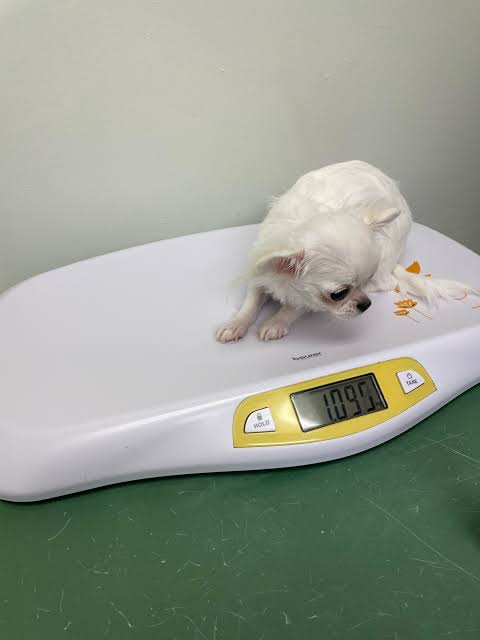
Monitoring growth is an important part of caring for newborn Chihuahua puppies. Because these puppies are so small, even a feeding problem can become serious quickly. Regular observations and weight records can help owners identify concerns before they become more severe. Track Weight Consistently Use a digital scale suitable for small animals. Weigh each puppy at a consistent time and record the result with a clear identification label. Ask your veterinarian how often to weigh the litter and what growth pattern is appropriate for each puppy. A gradual upward trend is generally reassuring. Weight loss or failure to gain should not be ignored. Observe Nursing Behavior Watch each puppy during feeding to ensure it can latch onto a teat and suck effectively. Puppies that repeatedly struggle to nurse may not be receiving enough milk or may have an underlying health problem. Notice Changes in Activity Newborn puppies sleep frequently, but they should still be able to nurse and respond normally. Persistent crying, unusual weakness, or difficulty waking may indicate distress. When Should You Contact a Veterinarian? Seek prompt veterinary advice if a puppy loses weight, fails to gain, or repeatedly struggles to nurse. Inability to nurse, breathing difficulties, unusual coldness, or marked weakness require urgent assessment. Do not try to correct poor growth by force-feeding a weak puppy. A veterinarian can assess the cause and recommend safe feeding support if needed. Conclusion: Consistent weighing, nursing observations, and veterinary guidance provide a clearer picture of puppy growth. Monitoring every Chihuahua puppy individually helps ensure that quieter or smaller littermates are not overlooked.